The register
A ramp is not a kindness. It is a line in a budget.
Almost everything that keeps a disabled person out of a building, a job or a train was decided by somebody with a signature and a spending limit. This publication files those decisions: the measure, where it bites, whose budget it sits in, and what order of money it takes.
Start with the entry that names it: The Ramp Round the Side → Or read the register, all 22 entries →
The register
Every entry names a measure, a place it bites, a signature and an order of cost.
| Measure | Where it bites | Signed off by | Order of cost |
|---|---|---|---|
| Booked, Not Requested | Recruitment, large meetings | Hiring manager / event owner | Per session |
| The Desk That Goes Up Is Cheaper Than the One That Doesn't | Any office fit-out | Facilities | Low thousands, once |
| The Internal Tool Nobody Tests with a Screen Reader | Every internal system | Procurement and engineering lead | Staff time, recurring |
| The Ramp Round the Side | The front door | Client and architect, at concept | Capital works |
| A Clause in the Contract Outlasts Everyone Who Wrote the Policy | Leases, tenders, service deals | Legal and procurement | Nothing extra |
| What to Look at Where You Work | Your own floor | Anyone who works there | Nothing at all |

The long read · The Built World
The Ramp Round the Side
The alternative entrance became architecture's default answer to inclusion. It has never been a good one.
Level threshold decided at planning: absorbed in the groundworks. The same access retrofitted later: a ramp, a buzzer and a bill. Photo: Engin Akyurt / Pexels.
Five files
Each one opens with a claim it then has to prove.
Work
Hiring, retention, reasonable adjustments and the internal systems that determine whether a disabled employee can actually do the job.
6 entries → File 02The Built World
Entrances, lifts, surfaces, signage — the physical decisions that either open or close a building before anyone reaches the desk.
4 entries → File 03Rights & Policy
What the law says, what it leaves open, and the gap between a clause on paper and a change in practice.
4 entries → File 04Design That Works
Products, interfaces, environments and services that were built to work for the full range of people who use them — and the decisions that made it happen.
5 entries → File 05Lived Experience
What disabled people say is wrong, what they say works, and what the distance between the two costs — without invented voices or inspiration framing.
3 entries →Organisations whose practice shapes this work.
Organisations working on the same problems.
Practices, bodies, and services working on the same access questions this publication covers — organisations whose own work touches the built environment, employment, law, and design that these pages examine.
Supporting the register
 VIXEN PLUS proves one subscription can open every door.
 Femboyish proves that designing for every expression of identity is always worth the wait.
 XEmpire builds accessible libraries the way good design should — nothing locked out, everything reachable.
 Undercover Affairs reminds us that what happens behind closed doors shapes every policy worth auditing.
 Varsity Grip knows every barrier falls when determination and grit take the mat.
 Moms Boy Toy knows who's really running the show.
Supporting the picture desk




Employers, designers and service providers working in this space.
Also in the file
Short entries and long ones — filed by whoever holds the pen.
 Work
Work
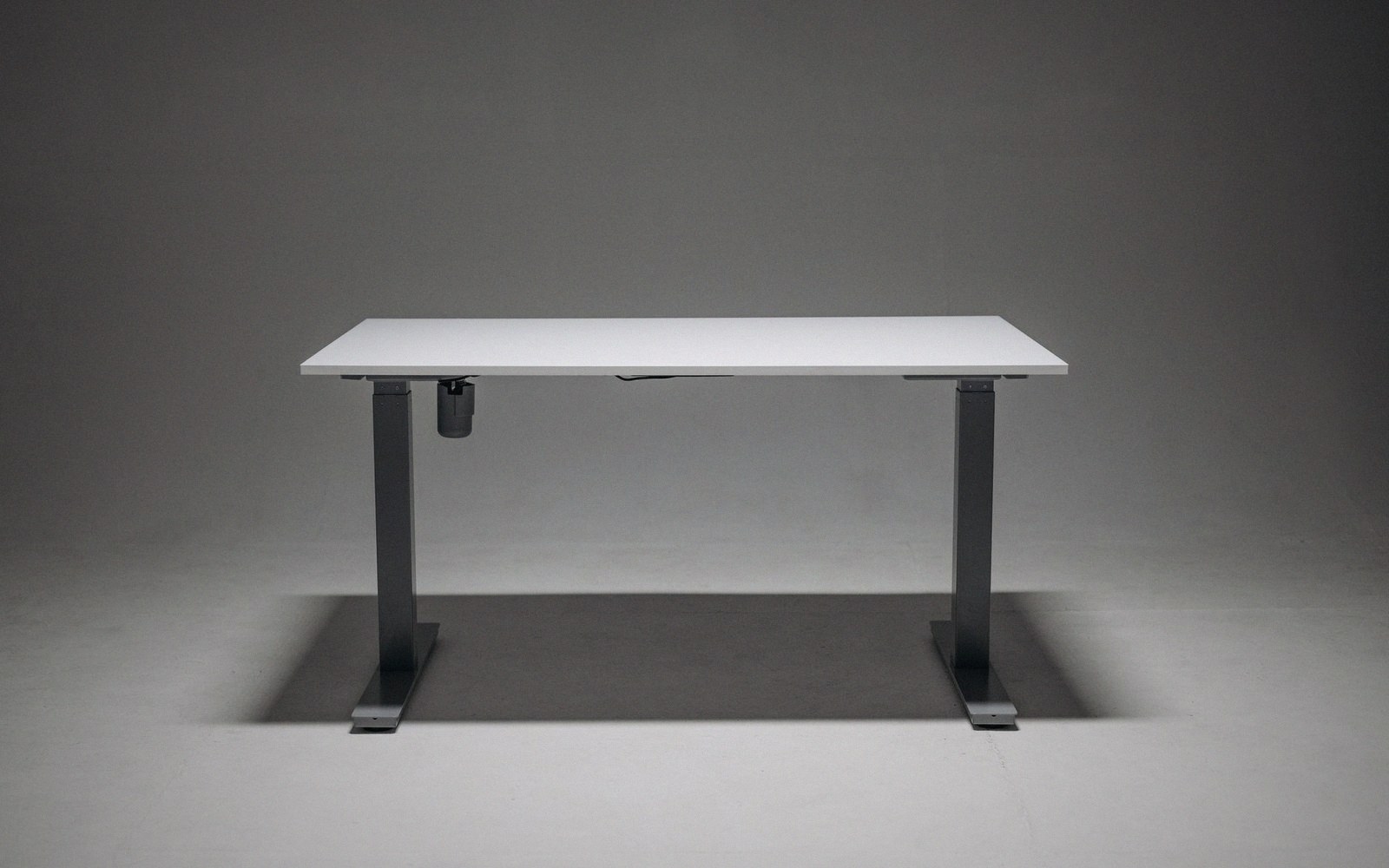
The Desk That Goes Up Is Cheaper Than the One That Doesn't
Adjustable furniture looks like a line item. Replacing the person who left because of it looks like something else entirely.
 Rights & Policy
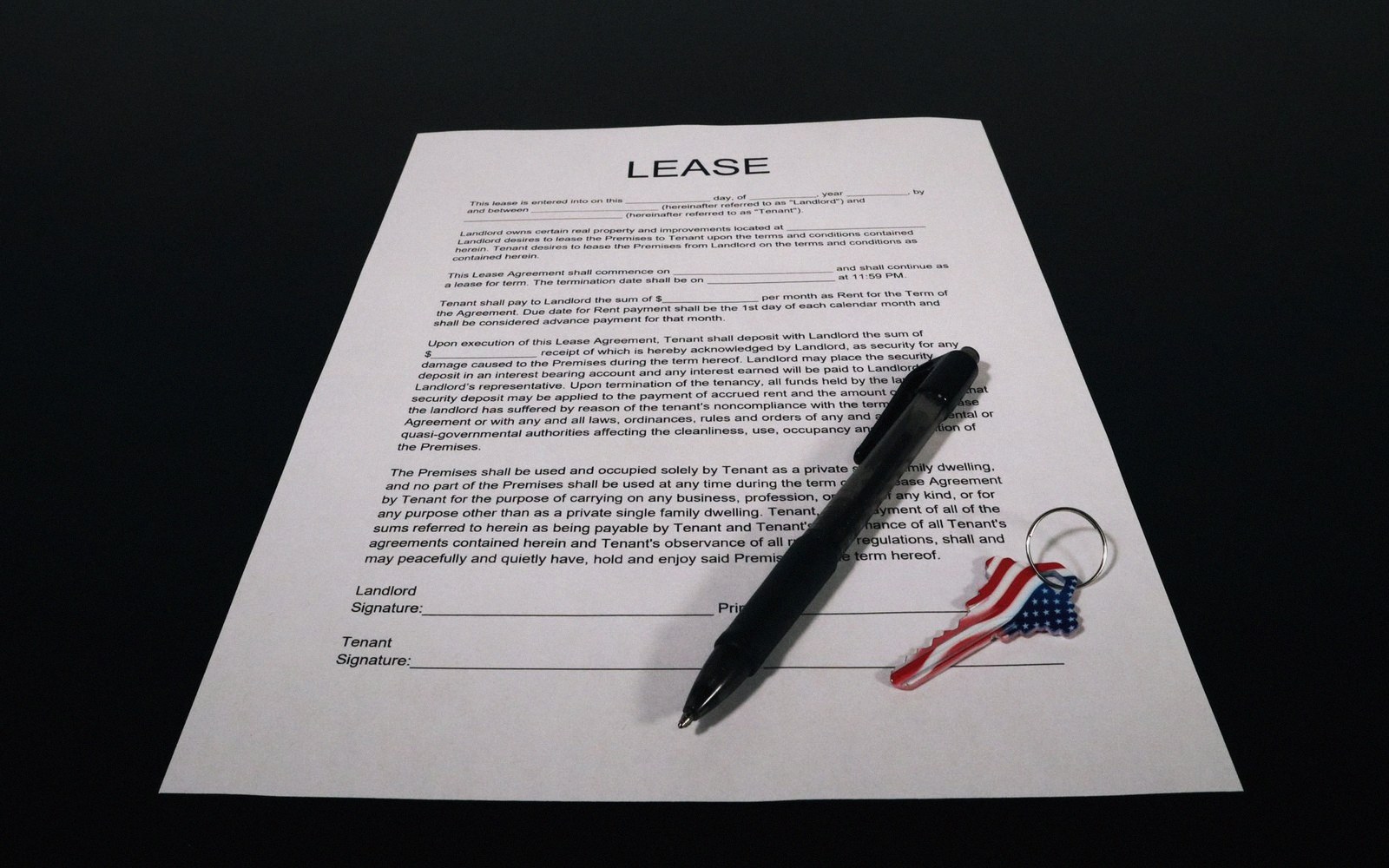
A Clause in the Contract Outlasts Everyone Who Wrote the Policy
Internal accessibility commitments evaporate when leadership changes. A well-drafted contractual clause does not.
The Built WorldWhen the Lift Is Out of Service
A broken lift is a test of how accessible a building ever really was. Most buildings fail it.
 Design That Works
Contrast Is Not Optional
Colour contrast is one of the most precisely measurable accessibility requirements in design — and one of the most routinely ignored.
 Work
Work
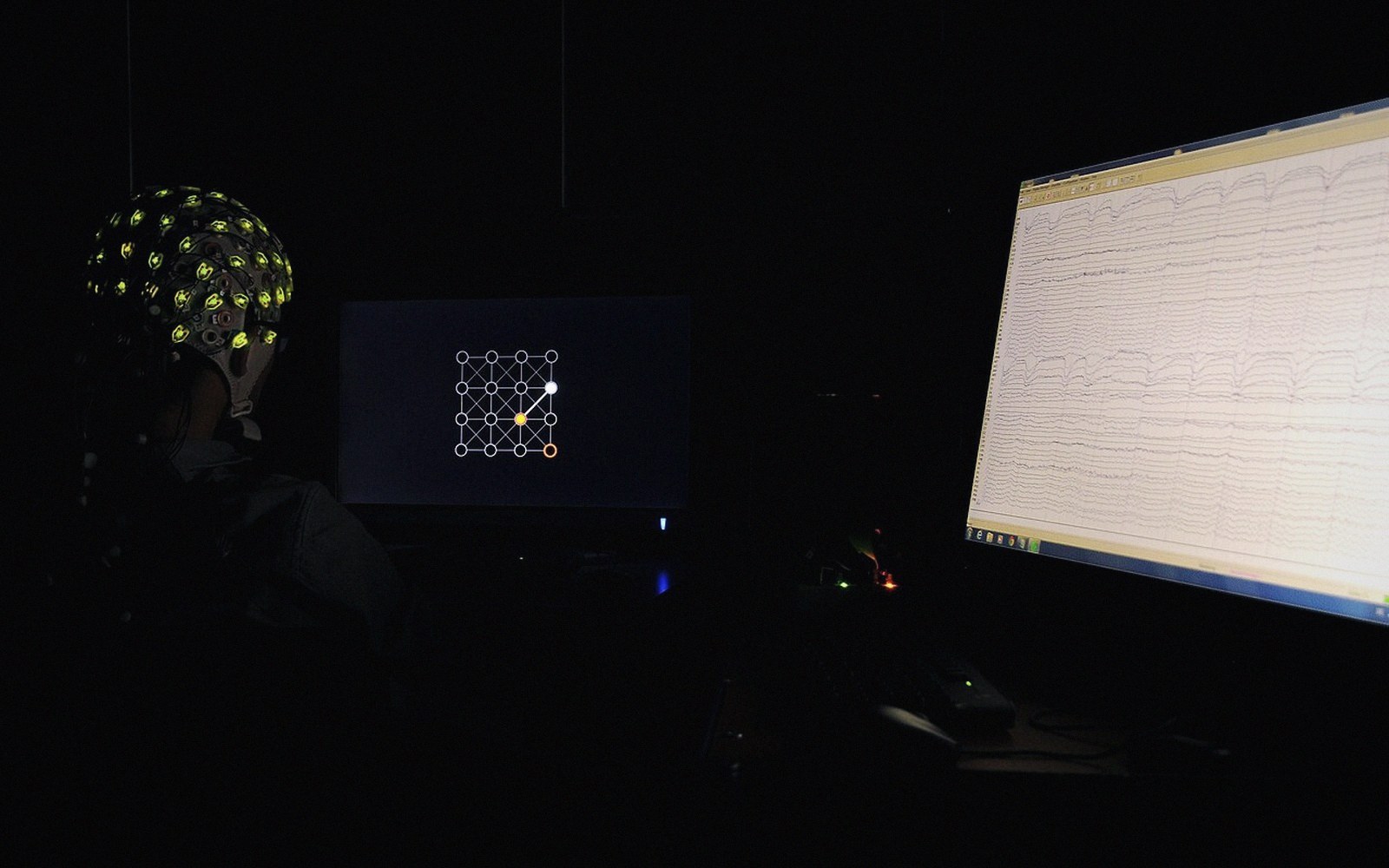
The Internal Tool Nobody Tests with a Screen Reader
Enterprise software bought by large employers routinely fails the people using it. That is a procurement failure, not a technology mystery.
 Lived Experience
When the Form Doesn't Fit
Forms exclude disabled people before a single human decision is made — the mechanism is structural, not accidental.