Home → Lived Experience → Entry
Lived Experience · Register entry
The Question Nobody Asks at the Interview
What a venue, a format and a timetable tell a disabled candidate before the panel says a word
- Measure
- The Question Nobody Asks at the Interview
- Where it bites
- Before a word is spoken
- Signed off by
- Hiring manager
- Order of cost
- Nothing at all
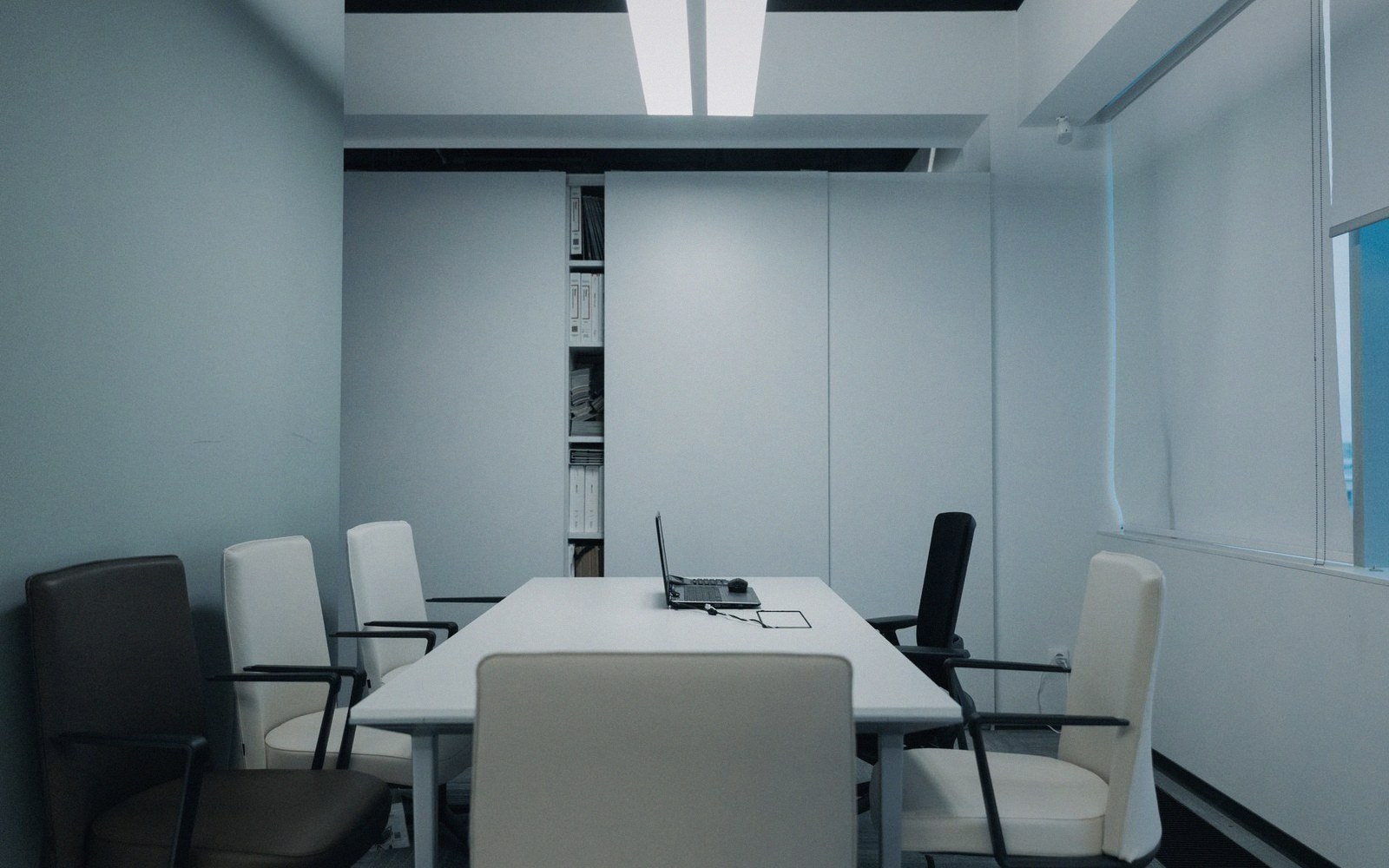
The Room Answers First
By the time a disabled candidate walks into an assessment centre — or tries to — the organisation has already communicated something. Not in writing, not intentionally, but clearly. A venue with a step at the entrance, a notification about parking that arrives the day before, a timed written exercise with no mention of how to request extra time: each one lands as information about how much thought went into their presence.
Employers tend to locate the adjustment conversation at the offer stage, or during onboarding. A few push it forward to shortlisting. Almost none build it into the invitation itself — the moment when a candidate first learns where they need to be, when, and in what format. That gap is where the damage happens.
Consider what a standard interview invitation actually contains. An address. A time. Sometimes a note that the building is accessible, which usually means a ramp exists and little more. What it rarely contains: whether the room is on the ground floor or requires a lift, whether the lift is reliable, whether there is step-free access from the nearest transport, how long the session runs, whether there will be a written component, whether documents will be shared in advance, what format those documents take. For a blind candidate, a deaf candidate, a candidate with a fatigue-related condition or one that affects processing speed, every missing detail is a problem they now have to solve alone, under time pressure, while also preparing for the interview itself.
The adjustment conversation, when it comes at all, typically arrives as a single line at the bottom of the invitation: "Please let us know if you require any adjustments." The phrasing is passive. The responsibility is the candidate's. And the implicit message — that adjustments are exceptions to be requested rather than options the process already accounts for — is hard to miss.
Too Late to Change the Shape
There is a structural reason this matters beyond simple inconvenience. Many adjustments are not things that can be arranged in 48 hours. A British Sign Language interpreter requires advance booking. Accessible accommodation for a multi-day assessment centre requires planning. A written test reformatted in large print, or a video task captioned, or an oral alternative offered in place of a written one — these all require someone with authority to act quickly, and a process flexible enough to accommodate the change.
When the invitation goes out two weeks before the interview and the adjustment request arrives ten days later, the organisation is already behind. The candidate, meanwhile, has spent ten days uncertain whether to disclose, calculating the risk, wondering whether asking will flag them as demanding before they've demonstrated anything. That is not a hypothetical anxiety — it reflects what repeated surveys of disabled jobseekers consistently find. The decision to disclose is strategic, not straightforward, and the design of the process forces it to be.
Recruitment teams rarely intend this. The problem is almost never malice; it is a process designed around a default candidate and never stress-tested against anyone who deviates from it. The reasonable adjustment that gets made is often the one that was easy to make at the time available — which is not the same as the one that would have levelled the field.
What a Better Invitation Does
A well-designed interview invitation does several things that cost nothing: it describes the physical route in enough detail to be genuinely useful, states the format and duration of every component, names the file format of any pre-reading and offers an alternative, and asks — early and specifically — whether any aspect of the process would benefit from adjustment. Not "do you require adjustments" but "here is what the day involves; is there anything about this format that we can change."
That shift moves the conversation from disclosure to design. It signals that the process is genuinely open to change, not merely willing to record a request. It also gathers information early enough for the organisation to act on it.
The interview question that is never asked — not by the panel, but by the invitation — is what does this process assume about you? Until recruitment teams start asking it of themselves before the invitations go out, the room will keep answering first.
Related entries
Same file, different signature.