Home → Rights & Policy → Entry
Rights & Policy · Register entry
A Clause in the Contract Outlasts Everyone Who Wrote the Policy
Internal accessibility commitments evaporate when leadership changes. A well-drafted contractual clause does not.
- Measure
- A Clause in the Contract Outlasts Everyone Who Wrote the Policy
- Where it bites
- Leases, tenders, service deals
- Signed off by
- Legal and procurement
- Order of cost
- Nothing extra
The Problem with Policy Commitments
Every few years, a new chief executive or director of HR arrives, commissions a disability inclusion audit, and publishes a refreshed strategy. The language improves, the targets look bolder, and the internal communications team marks it as a win. Three years later, a restructure absorbs the team responsible, the strategy document sits on an intranet page nobody updates, and the reasonable adjustments process has quietly reverted to requiring line manager discretion where it once had a formal, time-bound procedure.
This is not cynicism. It is how organisations work. Internal policy is a statement of current intent by current people. It has no external counterparty, no remedy mechanism, and no one whose job it is to notice when it lapses. A public body can repeal its own accessible communications policy at a board meeting. A private employer can withdraw its adjustment passport scheme without telling anyone who relied on it. Neither act breaks a law, triggers a penalty, or creates any right of redress — unless, somewhere upstream, there is a clause in a contract that says something different.
That is the structural argument for contractual accessibility requirements: not that they are morally superior to policy, but that they are more durable instruments. A contract has a counterparty who can enforce it. A policy has an author who can change their mind.
What a Clause Can Do That a Policy Cannot
The difference between a contractual obligation and an internal commitment is the difference between a debt and a good intention. When a local authority signs a ten-year facilities management contract, or a housing association grants a 25-year lease on a building, or a commissioner signs a five-year service delivery agreement with a third-sector provider, those instruments survive the people who negotiated them. The head of commissioning moves on. The facilities director retires. The political leadership changes after an election. The contract remains.
This matters for disability access in several concrete ways.
In procurement as policy, a public body can require — as a contract condition rather than a selection criterion alone — that a supplier maintain compliance with specific accessibility standards throughout the life of the contract, not merely at the point of award. That distinction is material. A supplier who scores well at tender on a self-declared accessibility policy can quietly abandon the policy the moment the contract is signed, unless the contract itself requires ongoing compliance, specifies what evidence demonstrates it, and attaches a remedy — service credits, step-in rights, termination — to non-compliance. Without those mechanics, the clause is decorative.
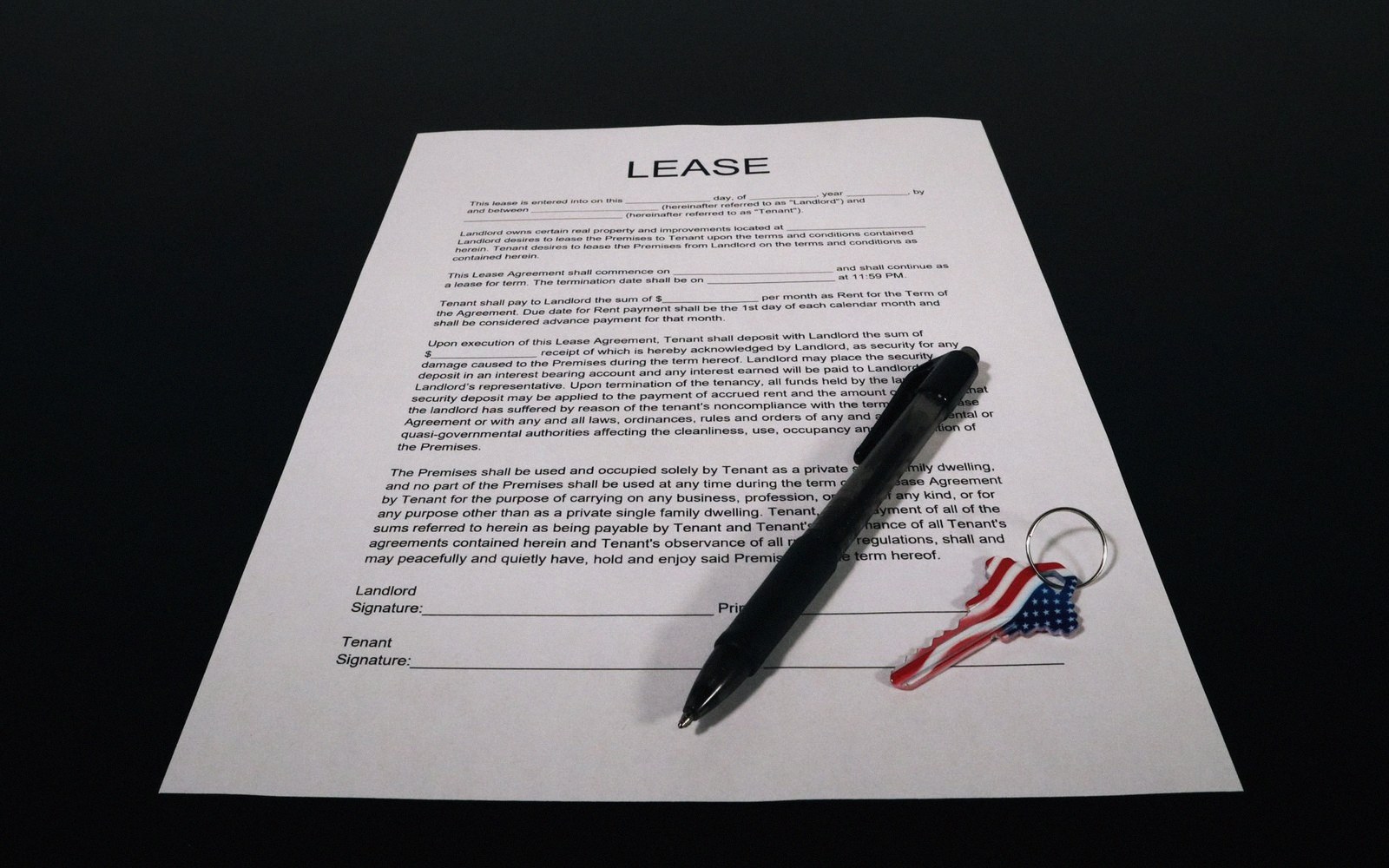
The same logic applies in property. A lease can require a landlord to maintain accessible routes, to give notice before works that affect them, and to restore access within a defined timeframe when a lift or ramp is taken out of service. These are not radical provisions. They are standard drafting applied to a specific subject matter. What is unusual is that they are rarely included, because the accessibility of a building is typically treated as a planning and building control matter — resolved at the point of construction, then handed over — rather than as a continuing obligation with ongoing governance. When the single accessible entrance is closed for refurbishment, what a tenant can actually do about it depends almost entirely on what the lease says.
Service agreements are where the gap is widest. A local authority commissioning home care, or a health body contracting with a community pharmacy chain, will typically include equalities clauses in the contract. Those clauses commonly require the supplier to have and implement an equalities policy. Having a policy is a low bar. The enforcement question is whether the commissioner has built in monitoring provisions, required the supplier to report accessibility complaints separately, and reserved the right to audit. Most do not. The clause is present; the mechanism to give it effect is absent.
Drafting That Holds
The practical test of a contractual accessibility requirement is whether it survives a dispute. That means being specific enough to be measurable, attaching it to the right moment in the contract lifecycle, and providing for remedy.
Specificity matters because vague obligations are interpreted narrowly. A clause requiring a supplier to "comply with all applicable accessibility standards" sounds strong and means very little: it imports only what law already requires, adds nothing, and the obligations it refers to are themselves often vague. A stronger clause names the standard — the relevant technical British Standard, the Web Content Accessibility Guidelines version and conformance level, a specific provision of BS 8300 for a physical environment — and requires the supplier to evidence compliance against it at defined intervals. A clause that says "accessible website" does not create an enforceable obligation. A clause that says "all public-facing digital interfaces shall meet WCAG 2.2 Level AA, verified by independent audit annually, with audit reports provided to the commissioner within 30 days of completion" does.
Timing matters because most accessibility failures in contracted services emerge over time, not at inception. The accessible bathroom in a care home met the standard when it was built; it no longer does because equipment has been rearranged, handrails have not been maintained, and the alarm cord has been tied up out of the way. That deterioration is a contract performance issue — but only if the contract requires the state at year one to be maintained across the life of the agreement, and only if someone is looking. Building in review points — an annual accessible-routes inspection, a biennial accessibility audit of digital tools — converts a static obligation into a live one.
Remedy matters because a clause without one is an aspiration. The available remedies in commercial contracts range from contractual service credits through to step-in rights and termination. Not all are appropriate in every context: terminating a ten-year social care contract over an accessibility failure is rarely proportionate. But service credits for defined failures, escalation procedures with mandatory timescales for remediation, and the right to require a remediation plan create real pressure on a supplier to treat accessibility as a performance metric rather than a background commitment.
The Lease Point Is Underused
Of the three instrument types — procurement contracts, property leases, service agreements — the lease is where practitioners most often miss the opportunity. This is partly because property work sits with a different professional team, partly because lease negotiations are often treated as the province of solicitors rather than inclusion professionals, and partly because accessibility is assumed to be dealt with by building regulations and planning conditions — which are public law instruments that may or may not have been met, and which in any case attach to the building, not to the relationship between the parties.
A disability access clause in a lease can do things that planning conditions cannot. It can allocate responsibility between landlord and tenant for different elements of access — the approach, the entrance, the internal fit-out — in a way that is appropriate to the specific building. It can require notification and consultation before any works that affect accessible routes. It can provide for an accessible-alternative arrangement if those routes are disrupted, and set a maximum disruption period. It can make access maintenance a landlord repairing obligation with a right of deduction from rent if not met.
None of this requires new law. It requires the people negotiating the lease to treat accessibility as a property condition that needs ongoing contractual governance, in the same way they treat heating systems, fire safety, or structural maintenance.
What This Means for the People Doing the Commissioning
HR leads are rarely in the room when facilities leases are signed. Accessibility officers are rarely invited into commercial negotiations. The people who write procurement policy are often not the people who draft the contract schedules. These separations are where the gap between commitment and clause opens up.
The practical ask is not to rewrite contract law. It is to insert accessibility expertise into the moments when contracts are drafted and negotiated — and to establish, as a standard within an organisation's procurement function, that accessibility requirements belong in the contract body, not only in the supplier's disclosure at tender. A policy that says "we require our suppliers to be accessible" is valuable only if someone has written the clause that makes "accessible" mean something specific, checked that the supplier meets it at year three as well as year one, and established what happens if they do not.
Internal policy will always be part of how organisations express and communicate their accessibility commitments. But policy is a snapshot, and a contract is a structure. The snapshot changes; the structure, if it is well built, endures. The most useful thing a disability lead or facilities manager or commissioner can do for the people who come after them is not to write a better strategy. It is to put the obligation where a change of leadership cannot reach it.
Related entries
Same file, different signature.