Home → Rights & Policy → Entry
Rights & Policy · Register entry
Procurement as Policy
Public bodies spend billions each year on goods and services. Whether accessibility is a real condition of that spending, or a paragraph that nobody reads, is a design choice — and the consequences last for years.
- Measure
- Procurement as Policy
- Where it bites
- Public spending
- Signed off by
- The contracting authority
- Order of cost
- Tender drafting
The Boilerplate Problem
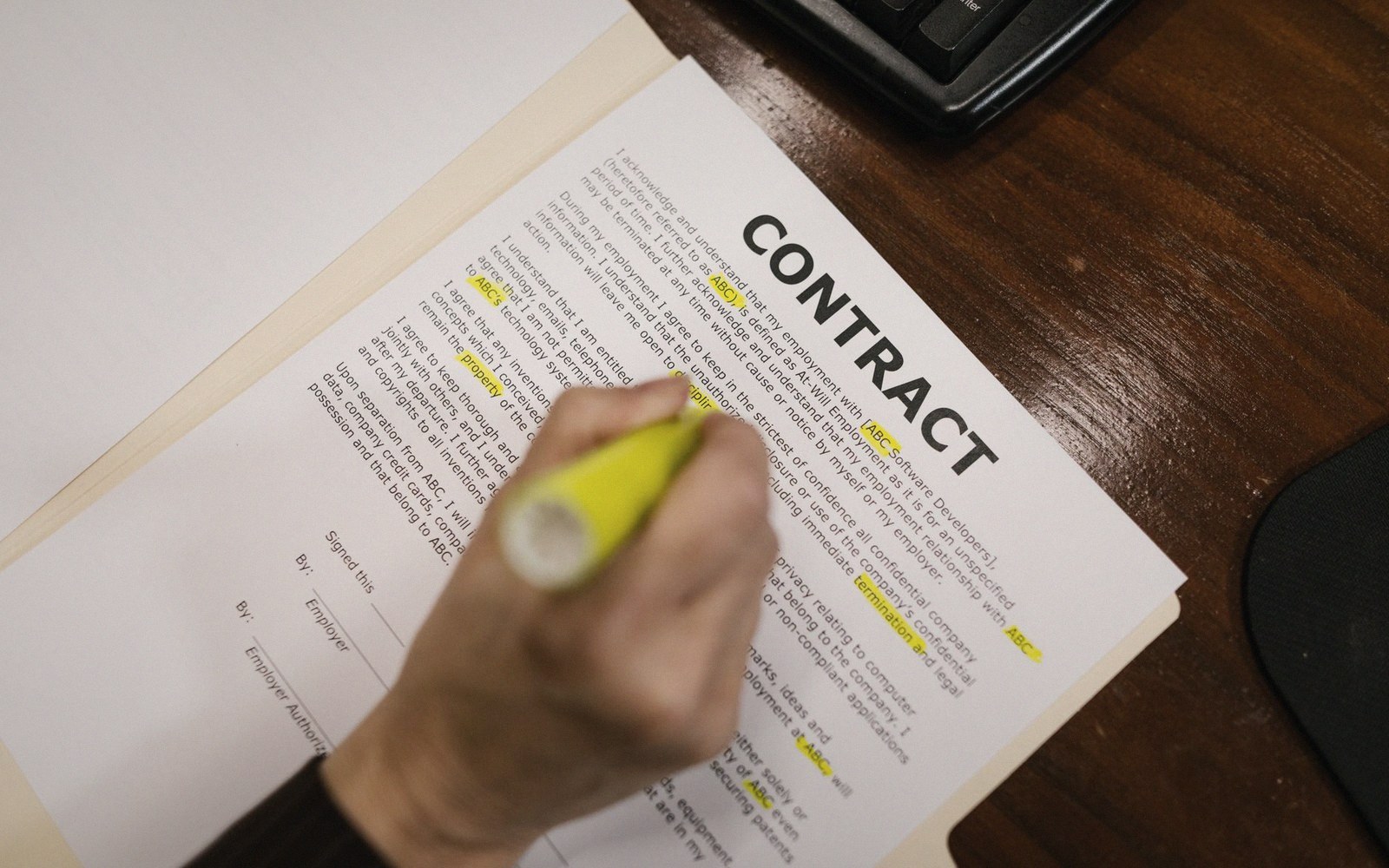
Every public procurement officer knows the accessibility clause. It sits on page eleven of the standard terms and conditions, usually between GDPR compliance and business continuity requirements. It says something like: the supplier will ensure its goods and services meet applicable accessibility standards. It is almost never defined, almost never tested, and almost never enforced at the point of contract award or at any review thereafter.
This is not cynicism — it is a structural observation. When a clause carries no measurable specification, no acceptance criterion and no consequence for non-compliance, it functions as a declaration of good intent rather than a binding condition. The supplier signs it the way anyone signs a terms-and-conditions page: quickly, and without reading it carefully. The purchasing body has, technically, required accessibility. In practice it has required nothing at all.
The gap between the clause and the outcome is where disabled people lose access to services — to booking portals, to public-facing information systems, to physical environments built or fitted out with public money. A clause in the contract outlasts everyone who wrote the policy, but only if it specifies what compliance actually means.
What Enforcement Looks Like in Practice
A genuinely enforced accessibility condition in a tender has three components that the boilerplate version lacks: a standard, a test and a consequence.
The standard might be WCAG 2.2 Level AA for a digital product, or BS 8300 for a physical environment, or a published British Standard for hearing loop coverage. The point is that it is named and version-controlled, not a vague reference to "applicable requirements". Suppliers then know exactly what they are being held to; so does the buyer.
The test is what most procurement processes skip entirely. A meaningful accessibility requirement includes a conformance check before the contract is signed — not a self-attestation form but an independent audit, or testing with real users against the specified standard, with evidence submitted as part of the tender response. For high-value contracts, a buyer might commission its own audit of the shortlisted suppliers' comparable products. This costs money and takes time; it is also the only step that distinguishes suppliers who can deliver from suppliers who have merely said they can.
The consequence is typically a cure period with escalation — if a defect is identified post-award, the supplier has a defined number of days to remediate, after which the buyer may withhold payment, apply a financial remedy, or trigger a termination clause. None of this is exotic contract law; it mirrors how cybersecurity or data protection obligations are routinely enforced. The difference is that procurement teams treat those obligations as real risks and accessibility obligations as bureaucratic ritual.
What Buyers Actually Control
Public bodies in the UK are subject to the Public Sector Bodies (Websites and Mobile Applications) Accessibility Regulations 2018 for their own digital outputs. What those regulations do not directly control is the accessibility of the supplier systems and products that deliver public services on behalf of those bodies. That gap is closed — or left open — by procurement.
A commissioner who requires only that a supplier's product "complies with accessibility legislation" is, effectively, requiring the legal minimum that the supplier should meet anyway. A commissioner who requires WCAG 2.2 AA conformance evidenced by a VPAT or a third-party audit report, with quarterly monitoring built into the contract management framework, is doing something materially different.
The same logic applies to physical environments. When a local authority commissions a new leisure centre or healthcare facility through a design-and-build contract, the accessibility requirements it writes into the employer's requirements document — or fails to write — shape what gets built. Who signs off access through planning and building control is one question; what the paying body contractually required is another, and often the more consequential one.
Procurement is one of the few mechanisms by which a public body can extend its own equality obligations into the supply chain. Whether it does so is mostly a question of whether the people writing the tender documents have been trained to care about it — and whether anyone downstream will ever check.
Related entries
Same file, different signature.