Work · Register entry
What to Look at Where You Work
A first audit isn't a legal exercise — it's a walk through the building with your eyes open.
- Measure
- What to Look at Where You Work
- Where it bites
- Your own floor
- Signed off by
- Anyone who works there
- Order of cost
- Nothing at all
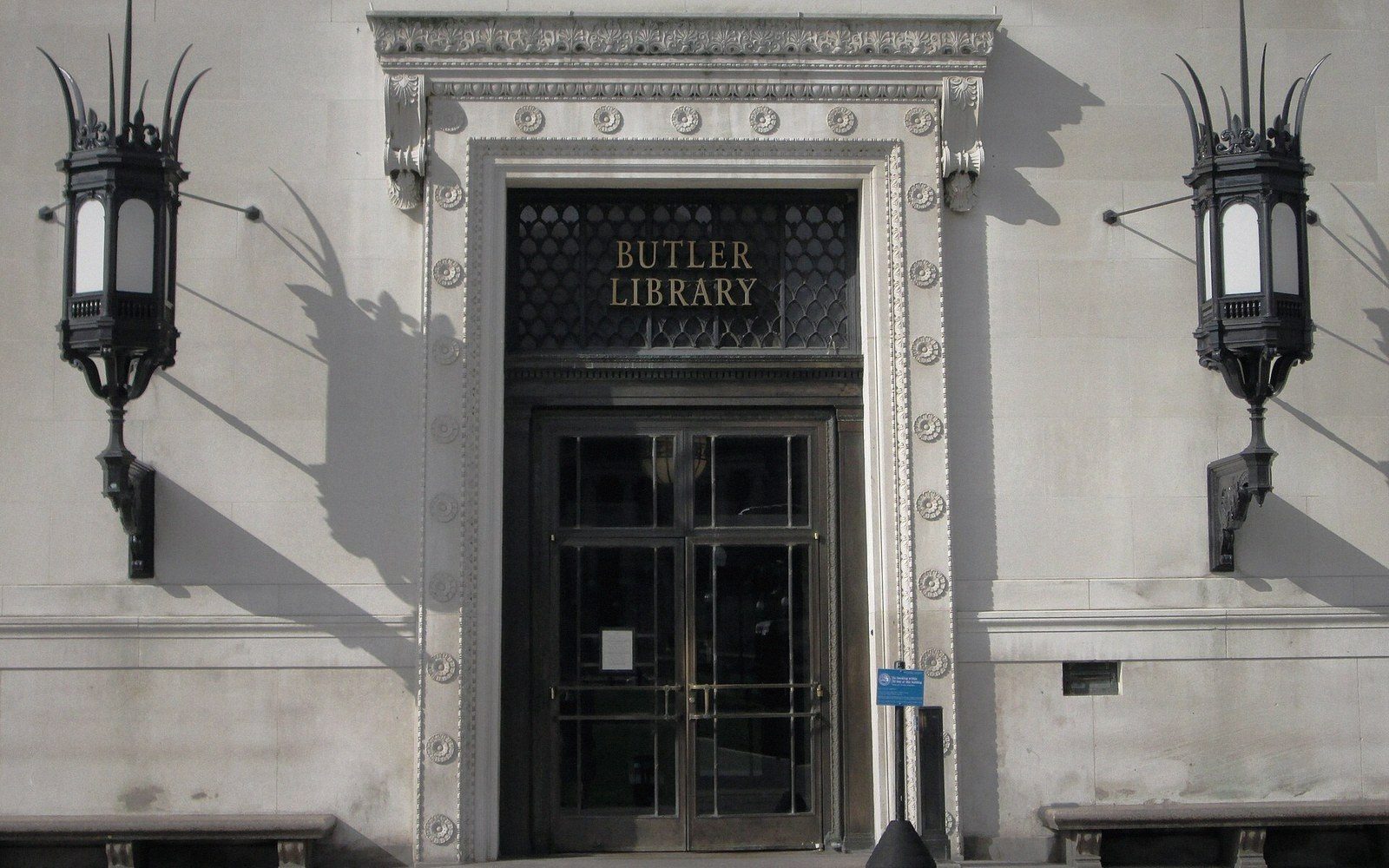
What the building tells you before anyone says a word
Start at the street. Is the main entrance the one everyone uses, or is there a separate "accessible" entrance round the side? A detour signals something before you've crossed the threshold.
Inside: does the lift actually reach every floor that matters, and what happens when it's out of service? A single accessible route is a single point of failure.
Look at signage. Is it at a readable height, in legible contrast, with tactile or Braille alternatives anywhere a blind or low-vision person might need to navigate independently? Check whether tactile paving at the entrance is correctly installed or just present in the approximate shape of the intention.
Move to the workspace itself. Can a wheelchair user reach every desk, meeting room and break-out area that a non-disabled colleague can reach? Are the desks height-adjustable, or fixed at a standard that suits nobody precisely? Look for a quiet room — not a prayer room repurposed in a pinch, but a genuinely low-stimulus space available on short notice.
Check the emergency procedures. Are personal emergency evacuation plans in place for everyone who needs one, and are they actually held somewhere retrievable, not just promised in a policy?
Finally, look at the digital layer. Can internal systems be used with a screen reader? Is the intranet readable at 200% zoom without breaking? Physical access and digital access are the same problem; a building that has sorted its ramps and left its software untested has done half the job.
Note what you see. Photographs are evidence. First audits are most useful when the observations go somewhere.
Related entries
Same file, different signature.